

Lower-risk Myelodysplastic Syndromes (LR-MDS)
understanding the disease
What is LR-MDS?
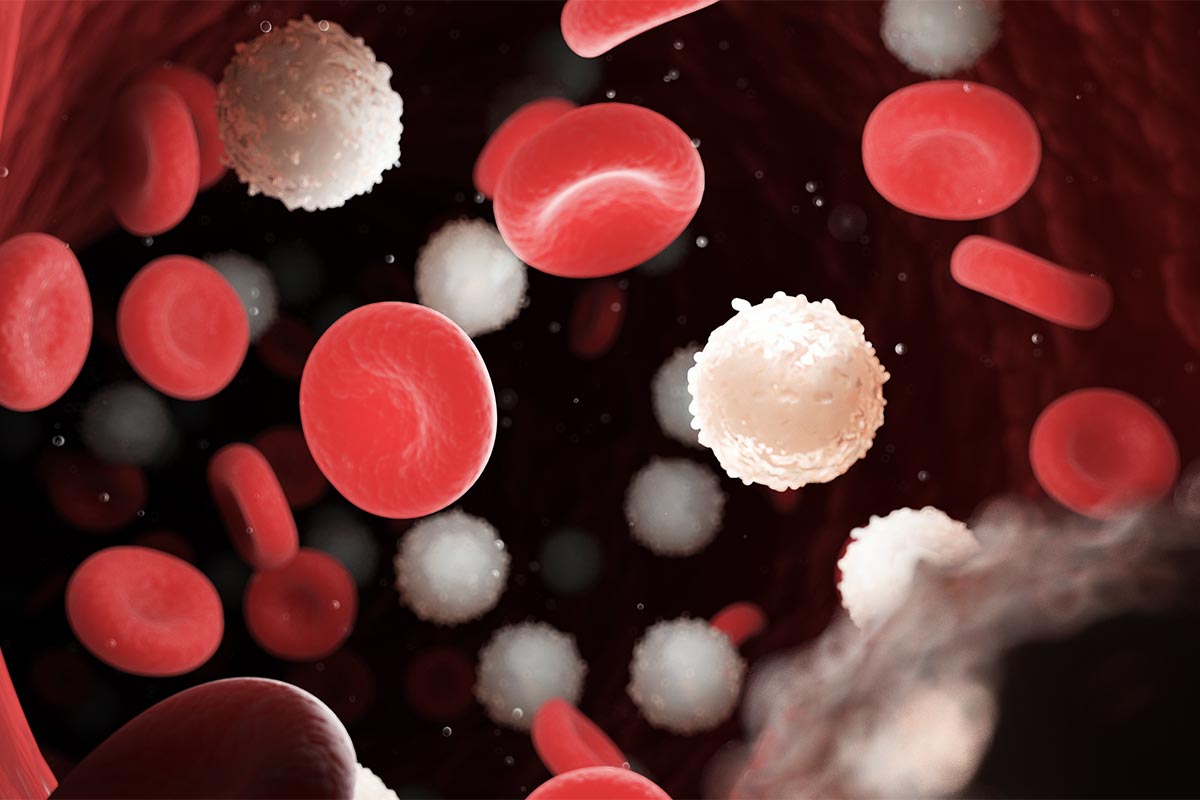
Lower-risk myelodysplastic syndromes (LR-MDS) is one form of myelodysplastic syndromes (MDS), a group of rare blood cancers that begin in the bone marrow. Bone marrow is the soft, spongy tissue inside the bones where many kinds of blood cells are made. In people with MDS, the bone marrow does not produce healthy blood cells effectively, resulting in lower numbers of red blood cells, white blood cells, and/or platelets. LR-MDS is the most common form of MDS, affecting about 7 in 10 people who are diagnosed with MDS.
We can add this here to help explain LRD-MDS: “There are several types of MDS. In some cases, MDS can progress to acute myeloid leukemia (AML). When AML is less likely to develop, healthcare providers will refer to the condition as lower-risk MDS (LR-MDS).LR-MDS occurs most often in older adults. On average, most people are diagnosed later in life, usually in their 70s. It is more common in men than women.


beyond the diagnosis
The reality of living with LR-MDS
The disease burden
MDS is a progressive disease, which means it may change or get worse over time. In its early stages, there may be few or no symptoms. For some people, low blood cell counts revealed through a routine blood test may be the first sign. However, symptoms may change as the disease progresses. The impact of LR-MDS is felt in everyday life and affects a person's sense of independence.

Fatigue
More than just “feeling tired.” Simple activities like grocery shopping, climbing stairs, or spending time with friends can become physically exhausting, leading many people to plan their days around their energy levels.
Shortness of breath
When the body doesn't have enough healthy red blood cells to carry oxygen efficiently, even simple activities may leave people feeling winded.
Reduced stamina
Tasks that once felt routine may require more effort and more frequent breaks. Over time, some people find themselves pulling back from hobbies, exercise, or social activities.
Dizziness
Feeling dizzy or unsteady can affect confidence and independence, making activities such as driving, shopping, or running errands feel more challenging.
Increased infection risk
Low white blood cell counts can make it harder for the body to fight infections, sometimes requiring people to be more cautious about travel, social gatherings, or exposure to illness.
Easy bruising or bleeding
Low platelet counts can make bruising more common and bleeding harder to control, requiring additional attention to cuts or injuries.
Symptoms that shape everyday life
The treatment burden
Managing LR-MDS often involves more than treating symptoms. Regular appointments, blood tests, monitoring, and blood transfusions can become a part of daily life, affecting routines, work, family, responsibilities, and future plans.

Regular transfusions
Managing anemia may require regular blood transfusions, sometimes as often as every couple of weeks. Treatment schedules become a recurring part of life, requiring frequent trips to infusion centers and careful planning around appointments.
Time spent in the clinic
A blood transfusion can take anywhere from one hour to several hours, not including travel, check-in procedures, laboratory testing, and recovery time. These visits can consume valuable time that might otherwise be spent at work, with family and friends, or on activities.
Temporary relief
Many patients describe a pattern of feeling better after a transfusion, followed by a gradual return of fatigue as blood counts decline. This cycle can create uncertainty about how they will feel from week to week.
Ongoing monitoring
Regular blood tests and follow-up visits are an important part of managing LR-MDS. Monitoring appointments can bring anxiety about changing blood counts, treatment decisions, or disease progression.
Dependence on support systems
Transportation, appointment coordination, and caregiving responsibilities can place additional demands on family members and care partners, extending the impact of LR-MDS beyond the individual receiving treatment.
How treatment management affects daily life
living with LR-MDS
Voices from the community
beyond symptom management
A different way of treating LR-MDS
For many years, treatment for LR-MDS has focused primarily on managing effects of the disease. Geron's approach is different. It targets telomerase, an enzyme that many cancer cells depend on to continue growing and dividing, with the goal of addressing an underlying disease mechanism.
-

What is telomerase?
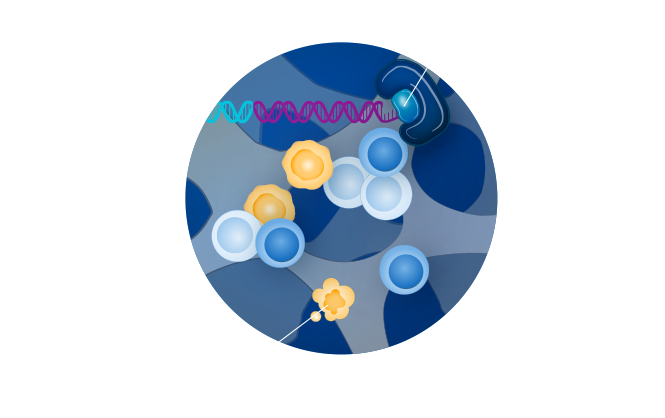
Telomerase is an enzyme that helps certain cells continue to divide. Most healthy cells have little or no telomerase activity, but many cancer cells depend on it to keep growing. Because of this, telomerase has become an important focus of research in blood cancers such as LR-MDS.
-
How is this different from other approaches?
Many treatments for LR-MDS focus on managing the effects of the disease. For example, blood transfusions temporarily replenish red blood cells to help relieve symptoms of anemia. Telomerase inhibition works differently. By limiting telomerase activity, cancer cells gradually begin to die, creating the potential for healthy blood-forming cells to recover in the bone marrow.
beyond the medicines
How we are supporting the LR-MDS community
Our commitment to the LR-MDS community extends beyond science and medicine. Through education, advocacy partnerships, and awareness efforts, we strive to help people impacted by LR-MDS feel informed, supported, and connected.
-

Partnerships with Patient and Professional Advocacy Organizations
Learn more about partneringWe work alongside patient and professional advocacy organizations that provide trusted information, practical resources, and a sense of community for people impacted by blood cancers such as LR-MDS. Together, we aim to help ensure patients and care partners have access to the support they need through their journey.
-
Educational resources
Explore educational resourcesAn LR-MDS diagnosis often comes with uncertainty. We support educational programs and resources that help patients, care partners, and healthcare professionals better understand the disease, navigate treatment conversations, and feel more informed throughout their care journey.
-
Supporting awareness
Connect with advocacy organizationsBecause LR-MDS is a rare blood cancer, awareness remains limited, and misconceptions about the disease persist. We support efforts to increase recognition and understanding, encourage earlier conversations, and connect more people with trusted information and resources.